African policymakers and climate advocates have called for faster, simpler and adequately-funded climate financing mechanisms, warning that delays in accessing resources are worsening economic and human cost of climate shocks.
The call came as the 5th African Regional Conference on Loss and Damage closed in Lilongwe, with stakeholders urging a shift from dialogue to implementation.
The urgency reflects growing economic pressure.
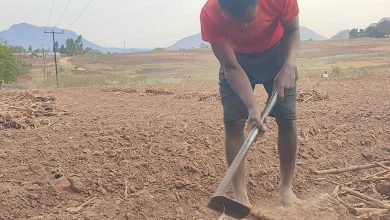
Malawi is already losing about 1.7 percent of its gross domestic product (GDP) annually due to climate-related disasters, with losses projected to rise sharply in the coming years if financing and response systems remain weak.
Addressing delegates at the close of the ceremony, Pan African Climate Justice Alliance head of programmes and research Charles Mwangi said the global response remains underfunded and poorly structured, with less than $1 billion committed to the Loss and Damage Fund years after its establishment.

“We cannot have commitments on paper without resources to back them,” he said, warning that Africa cannot afford delays in accessing support.
“The suffering in Africa will not wait for bureaucracy. We cannot wait years to access resources.”
The three-day conference, held under the theme: ‘Advancing Sustainable, Equitable and Just Financing and Technical Support for Loss and Damage in Africa’, brought together governments, civil society and development partners to assess gaps in funding, explore technical solutions and outline a roadmap for future negotiations, including Conference of Parties (COP32).
Discussions during high-level panels on financing pathways and access mechanisms pointed to persistent barriers in mobilising and disbursing climate funds, despite growing needs across vulnerable countries.
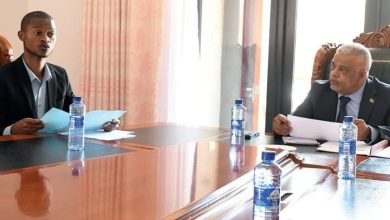
In an interview on the sidelines of the event, Commissioner for Disaster Management Affairs Wilson Moleni said the issue is no longer just the availability of funding, but the difficulty of accessing it.
“We need simpler and faster processes because Africans will not wait for strict procedures,” he said.
Moleni said future responses must prioritise communities already facing the worst impacts.
“Community voices must remain central because they are the ones facing the real impacts of climate change,” he said, adding that young people are increasingly demanding a place on the climate agenda.
Moleni said the resolutions from the conference would feed into upcoming global negotiations, including COP32, with African countries expected to push for stronger accountability from major emitters.
“Africa is not responsible for climate change, but it is among the most affected. There must be accountability,” he said.
The conference also highlighted broader structural challenges in climate response, including the need to strengthen data systems, technical capacity and coordination across countries.
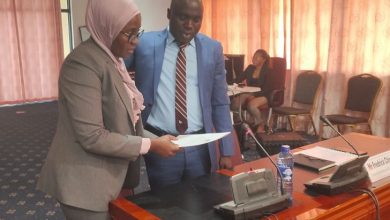
In his closing remarks, Ministry of Natural Resources and Climate Change principal secretary for \administration Richard Perekamoyo said the discussions had produced clear priorities, including improving access to climate finance, scaling up support to vulnerable communities and strengthening evidence systems for assessing climate impacts.
“There is an urgent need to enhance the availability of financial mechanisms for loss and damage,” he said.
Perekamoyo said while the Loss and Damage Fund presents an opportunity, it must be made “accessible, adequate and responsive” to the needs of developing countries.
He stressed that the success of the conference would depend on implementation.
“We must move beyond dialogue to action,” he said.
As the conference concluded, stakeholders emphasised the need to sustain momentum beyond Lilongwe, with calls for stronger coordination among governments, civil society and development partners.
“The real measure of success will not be the discussions we have had, but the actions we take after this conference,” Perekamoyo said.